
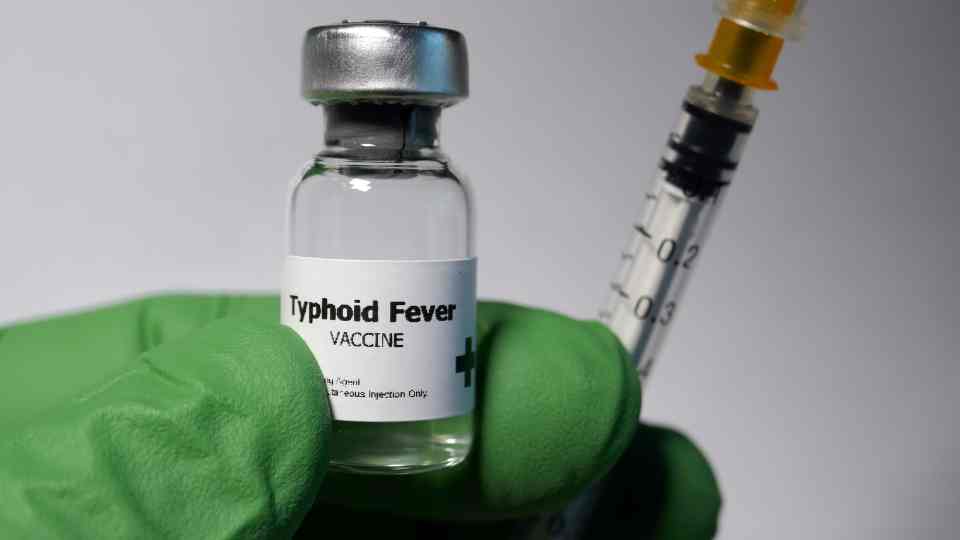
Typhoid Vaccine
Find out what vaccinations you may need for you destination
Typhoid
Typhoid fever is a systemic bacterial infection caused by Salmonella enterica serotype Typhi. It is transmitted through the faecal-oral route, meaning the bacteria spread when food or water becomes contaminated with the faeces of an infected person. Eating food prepared by an infected food handler, drinking contaminated water, or consuming raw fruit and vegetables washed in contaminated water are among the most common routes of transmission. Typhoid is found worldwide but is most prevalent in parts of South Asia, particularly India, Pakistan, Bangladesh, and Nepal, as well as sub-Saharan Africa, Southeast Asia, and Central and South America. It is estimated that between eleven and twenty million people are infected with typhoid globally each year, with the highest burden falling on low and middle-income countries where access to clean water and sanitation is limited. Travellers who eat street food, stay in basic accommodation, or visit friends and family in high-risk countries are at greater risk of exposure. A closely related infection, paratyphoid fever, is caused by Salmonella Paratyphi and produces similar symptoms, though the currently available typhoid vaccines do not offer reliable protection against paratyphoid.

Symptoms
Symptoms of typhoid fever typically develop one to three weeks after exposure and tend to come on gradually. The illness usually begins with a sustained high fever that rises progressively over several days, often accompanied by severe headache, fatigue, loss of appetite, and general malaise. In contrast to many infections, the heart rate may be unusually slow relative to the degree of fever, a finding known as relative bradycardia. Abdominal pain and discomfort are common, and some patients develop constipation in the early stages, while others experience diarrhoea. A faint rose-coloured rash may appear on the trunk in some cases. Without treatment, the illness can persist for several weeks and may progress to serious complications during the third and fourth weeks, including intestinal perforation, internal bleeding, and in some cases death. Even with appropriate antibiotic treatment, recovery can take several weeks and some individuals become long-term carriers of the bacteria, continuing to shed it in their faeces without experiencing symptoms themselves. Increasing antibiotic resistance among Salmonella Typhi strains in some regions is a growing concern, making prevention through vaccination and careful food and water hygiene all the more important.

Vaccination
Two types of typhoid vaccine are available in the UK. The first is an injectable vaccine given as a single dose, which provides protection for around three years and should be administered at least two weeks before travel to allow full immunity to develop. The second is an oral vaccine taken as three capsules on alternate days, which also provides protection for approximately three years. Both vaccines are effective at reducing the risk of typhoid, though neither offers complete protection, which means that careful attention to food and water hygiene remains essential even for vaccinated travellers. The typhoid vaccine is recommended for travellers visiting areas where typhoid is endemic, particularly those travelling to South Asia, where the risk is highest, as well as parts of Africa, Southeast Asia, and Latin America. It is especially important for those staying with friends or family, travelling on a budget, eating street food, or visiting rural areas where sanitation may be limited. A combined hepatitis A and typhoid vaccine is also available as a single injection, which can be a convenient option for travellers who require protection against both infections. At Market Harborough Travel Clinic, we will assess your destination and travel plans to advise on whether the typhoid vaccine is recommended and which formulation is most suitable for you.
Book Now
If you are planning to travel abroad, book an appointment with Market Harborough Travel Clinic today.
Our experienced team can provide personalised travel health advice and help you understand which vaccinations, medications, or preventative measures may be appropriate based on your destination, medical history, and individual circumstances.
We are here to help you travel with confidence through expert guidance and convenient appointments in Market Harborough.