

Rabies Vaccine
Find out what vaccinations you may need for you destination
Rabies
Rabies is a viral disease caused by the rabies virus, a member of the Lyssavirus family, which affects the central nervous system and is almost universally fatal once clinical symptoms appear. The virus is transmitted to humans through the saliva of an infected animal, most commonly via a bite, scratch, or lick on broken skin or mucous membranes. Dogs are responsible for the vast majority of human rabies deaths worldwide, though the virus can also be carried by other mammals including bats, monkeys, cats, foxes, and jackals. Rabies is endemic across much of Africa, Asia, and Latin America, with India accounting for the highest number of human deaths globally. It is estimated that around 59,000 people die from rabies each year, the majority of whom are in Asia and Africa. Travellers are at risk of exposure in any country where the disease is present, particularly those spending time in rural areas, undertaking outdoor activities, working with animals, or travelling to destinations where access to post-exposure treatment and rabies immunoglobulin may be delayed or unavailable. Children are considered at particularly high risk as they are more likely to interact with animals and may not report a bite or scratch.

Symptoms
One of the most alarming aspects of rabies is that by the time symptoms appear, the disease is almost always fatal. The incubation period, the time between exposure and the onset of symptoms, can range from a few weeks to several months, depending on the location and severity of the bite and the amount of virus introduced. Early symptoms are often non-specific and may resemble flu, including fever, headache, and general weakness. A distinctive early symptom is pain, tingling, or itching at the site of the original bite, which reflects the virus travelling along the nerves towards the brain. As the disease progresses, two main forms can develop. The more common encephalitic or furious form causes agitation, confusion, hallucinations, excessive salivation, and a characteristic fear of water known as hydrophobia, caused by painful spasms of the throat muscles when attempting to swallow. The paralytic form progresses more slowly, with gradual paralysis spreading from the site of the bite. Both forms are fatal, typically leading to coma and death within days of symptom onset. There is no effective treatment once symptoms have developed, making prevention through vaccination and prompt post-exposure treatment after any potential exposure absolutely critical.
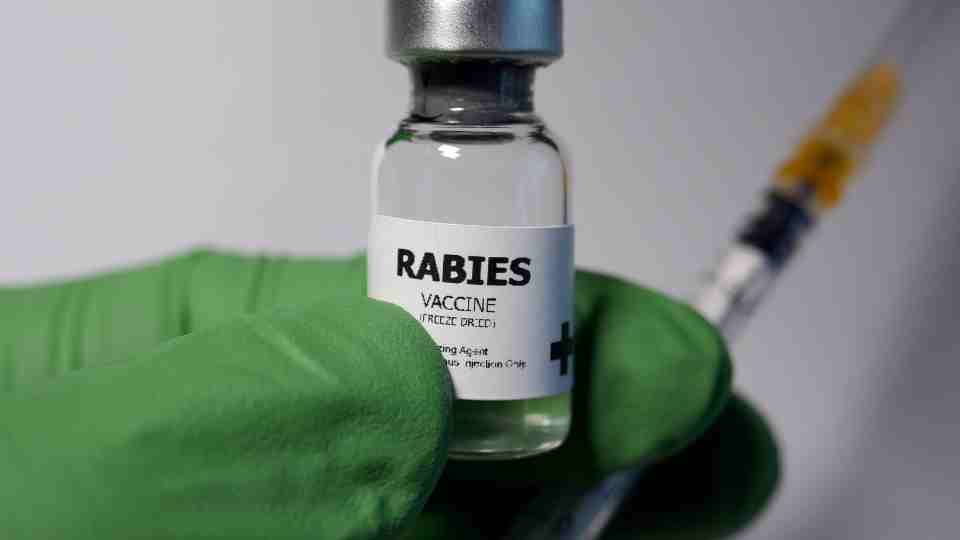
Vaccination
Pre-exposure rabies vaccination involves a course of three injections given over a period of three to four weeks, and is recommended for travellers visiting rabies-endemic areas, particularly those going to remote destinations where access to post-exposure treatment would be delayed, those planning activities that increase the risk of animal contact such as cycling, running, or cave exploration, those travelling for a month or more, and children who may be less likely to report an animal bite. Importantly, pre-exposure vaccination does not eliminate the need for medical attention following a potential exposure, but it does simplify post-exposure treatment considerably. Vaccinated individuals still require two further doses of vaccine after a bite or scratch but do not need rabies immunoglobulin, a blood product that is expensive, often difficult to obtain in many countries, and must be given promptly to be effective. This distinction can be life-saving when travelling in areas with limited healthcare infrastructure. Regardless of vaccination status, any bite, scratch, or lick from an animal in a rabies-endemic country should be taken seriously. The wound should be washed thoroughly with soap and running water for at least fifteen minutes, and medical advice sought immediately. At Market Harborough Travel Clinic, we will assess your itinerary and activities to advise whether pre-exposure rabies vaccination is the right choice for your trip.
Book Now
If you are planning to travel abroad, book an appointment with Market Harborough Travel Clinic today.
Our experienced team can provide personalised travel health advice and help you understand which vaccinations, medications, or preventative measures may be appropriate based on your destination, medical history, and individual circumstances.
We are here to help you travel with confidence through expert guidance and convenient appointments in Market Harborough.