
Jet Lag
Find out what vaccinations you may need for you destination
Jet Lag
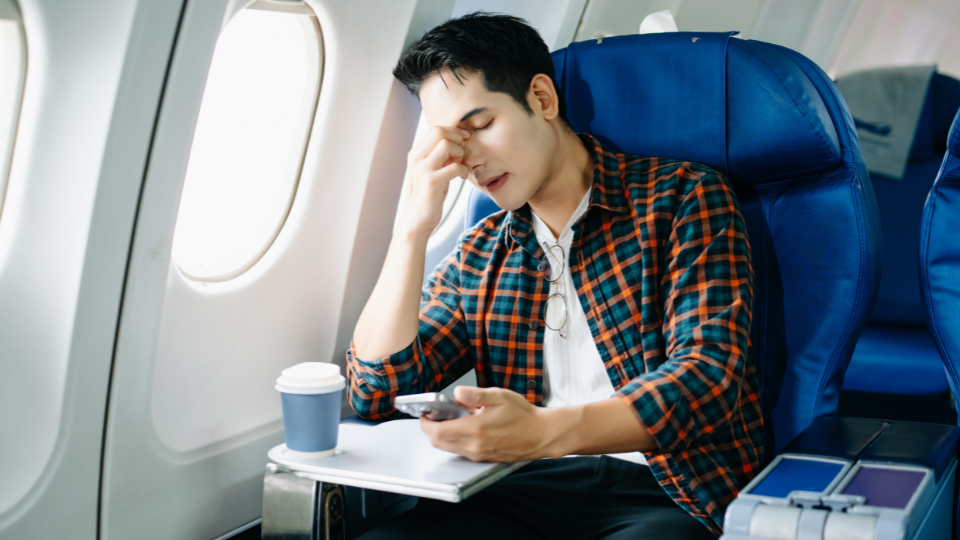
Jet lag is a temporary sleep disruption that can happen after travelling across multiple time zones, particularly during long-haul flights. It occurs when the body’s internal clock struggles to adjust to a new local time zone.
Jet lag can affect travellers differently depending on the number of time zones crossed, direction of travel, sleep patterns and individual health factors. Travelling east often causes more noticeable symptoms because the body may find it harder to adjust to an earlier schedule.
Symptoms of jet lag can affect both physical and mental well-being during travel. This may impact holidays, business trips, sporting events or important schedules shortly after arrival.
Managing jet lag may involve adjusting sleep schedules before travel, staying hydrated, controlling light exposure and discussing suitable support options before departure.
At Market Harborough Travel Clinic, our team can provide travel health advice to help you prepare for long-haul travel and reduce the impact of jet lag during your trip.
Who May Be More Affected by Jet Lag?
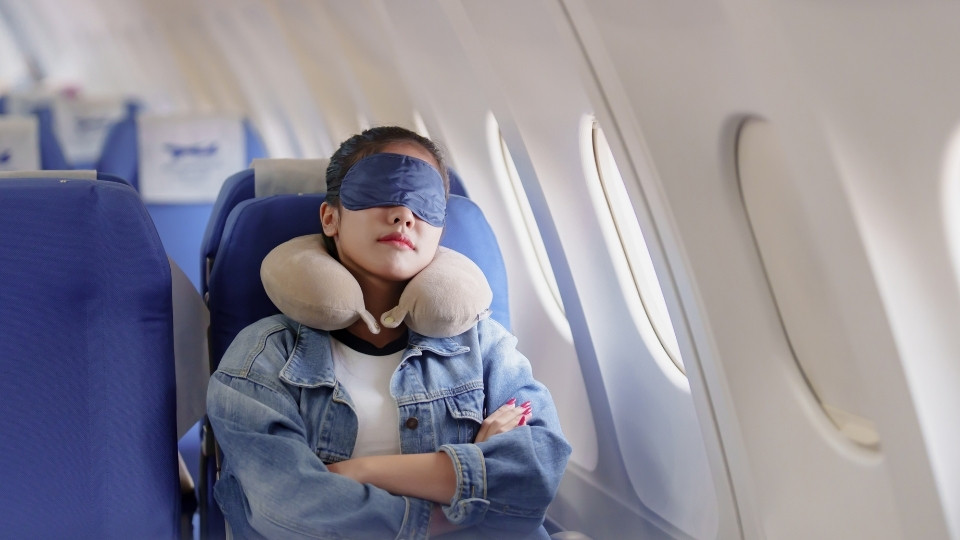
Jet lag can affect anyone travelling across multiple time zones, but some travel situations may increase the likelihood of symptoms:
- Long-haul international flights
- Travelling across several time zones
- Frequent business travel
- Overnight flights with disrupted sleep
- Travelling east across time zones
- Trips with demanding schedules shortly after arrival
Our team can discuss strategies that may help reduce the effects of jet lag based on your travel itinerary and schedule.
FAQs About Jet Lag
Book Now
If you are planning long-haul travel and want to reduce the effects of jet lag, book a consultation with Market Harborough Travel Clinic today.
Our team can provide practical travel advice to help you manage sleep disruption, adjust to new time zones and feel more prepared for your trip.
Whether you are travelling for business, holidays or international events, we are here to help you travel more comfortably and confidently.