

Tick-Borne Encephalitis Vaccine
Find out what vaccinations you may need for you destination
Tick-Borne Encephalitis
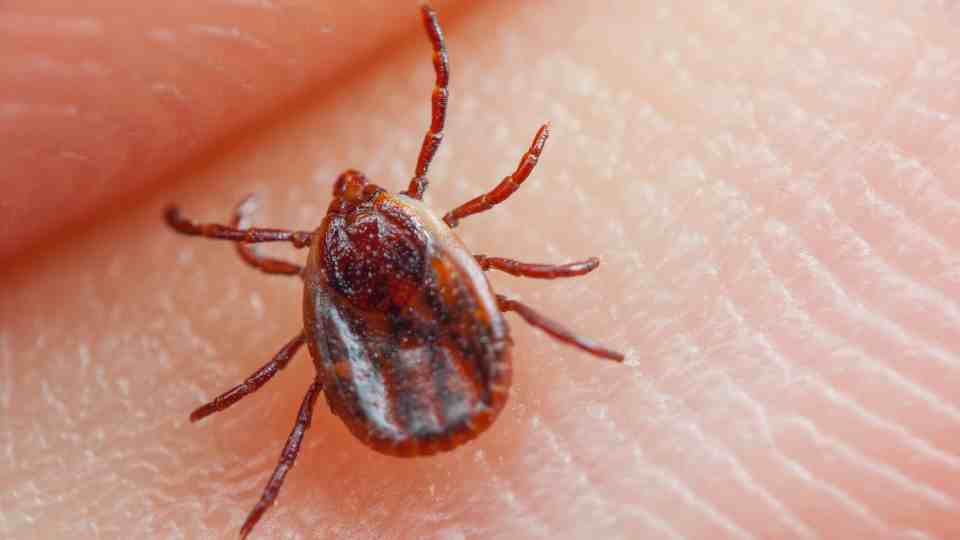
Tick-Borne Encephalitis is a viral infection caused by the TBE virus, which belongs to the Flavivirus family. It is transmitted primarily through the bite of infected Ixodes ticks, the same family of ticks responsible for Lyme disease, which are found in woodland, grassland, and scrubland across a wide belt of Europe and Asia. The highest risk areas include Central and Eastern Europe, the Baltic states, Russia, and parts of China and Japan, though the range of infected ticks is expanding due to changing climates and land use patterns. In addition to tick bites, TBE can occasionally be contracted by consuming unpasteurised dairy products, particularly milk and cheese, from infected animals in endemic areas. Ticks are most active between spring and autumn, with peak transmission occurring from April to November. Travellers who spend time outdoors in wooded or rural environments during this period, including hikers, campers, cyclists, hunters, and those undertaking field work, are at the greatest risk. The risk exists even in popular tourist destinations across Europe, including Austria, Germany, Switzerland, Scandinavia, and the Czech Republic, making TBE a relevant consideration for many holiday travellers and not just those visiting remote regions.
Symptoms
Tick-Borne Encephalitis often progresses in two distinct phases. The first phase begins around one to two weeks after a tick bite and presents with flu-like symptoms including fever, headache, fatigue, muscle aches, and general malaise. This phase typically lasts between two and seven days, after which many people appear to recover. However, in approximately one third of symptomatic cases, the illness enters a second and more serious phase as the virus invades the central nervous system. This neurological phase can present as meningitis, an inflammation of the membranes surrounding the brain, encephalitis, inflammation of the brain itself, or myelitis, inflammation of the spinal cord. Symptoms during this phase may include a severe headache, high fever, stiff neck, sensitivity to light, confusion, impaired coordination, tremors, and in serious cases, paralysis or coma. The severity of neurological disease tends to increase with age. While most people recover fully, a significant proportion of those who develop neurological symptoms experience lasting complications, including persistent fatigue, concentration and memory difficulties, headaches, and in some cases permanent neurological damage. There is no specific antiviral treatment for TBE, and care is focused on managing symptoms and supporting recovery.

Vaccination
The TBE vaccine available in the UK is highly effective and is given as a course of three doses. The standard schedule involves a second dose four to twelve weeks after the first, and a third dose five to twelve months after the second. For those who need protection more quickly, an accelerated schedule is available, with the second dose given just fourteen days after the first and the third dose given five to twelve months later. Protection is considered to be in place two weeks after the second dose, so it is important to begin the course well in advance of travel. Booster doses are recommended every three years for those who remain at ongoing risk, or every five years for those over sixty. Even for travellers who have been vaccinated, tick bite avoidance remains important. Wearing long sleeves and trousers, using insect repellent containing DEET, checking the body carefully for ticks after outdoor activity, and removing any attached ticks promptly and correctly all help to reduce the risk of TBE and other tick-borne infections. At Market Harborough Travel Clinic, we will assess your itinerary and planned activities to advise whether the TBE vaccine is recommended for your trip and which vaccination schedule best suits your travel timeline.
Book Now
If you are planning to travel abroad, book an appointment with Market Harborough Travel Clinic today.
Our experienced team can provide personalised travel health advice and help you understand which vaccinations, medications, or preventative measures may be appropriate based on your destination, medical history, and individual circumstances.
We are here to help you travel with confidence through expert guidance and convenient appointments in Market Harborough.