

Tetanus Vaccine
Find out what vaccinations you may need for you destination
Tetanus
Tetanus is a potentially fatal condition caused by a toxin produced by the bacterium Clostridium tetani. The bacteria are found naturally in soil, dust, and animal faeces around the world and can survive in the environment for many years in the form of hardy spores. Unlike many infectious diseases, tetanus is not spread from person to person. Instead, infection occurs when the spores enter the body through a break in the skin, such as a wound, cut, burn, animal bite, or puncture injury. Once inside the body, the bacteria multiply and release a powerful neurotoxin that interferes with the nerves controlling muscle movement. Tetanus can affect anyone who is not adequately vaccinated, and while it is rare in the UK due to high vaccination rates, it remains a significant cause of illness and death in many parts of the developing world, particularly in areas with limited access to healthcare. Travellers who engage in outdoor activities, adventure sports, or activities that carry a risk of injury are at greater risk of exposure, particularly if they are travelling to destinations where prompt and appropriate wound care may be difficult to access.

Symptoms
Symptoms of tetanus typically develop between three and twenty-one days after infection, though they can appear sooner or later depending on the location and severity of the wound. The hallmark early symptom is stiffness of the jaw muscles, commonly known as lockjaw, which makes it difficult to open the mouth or swallow. This is often accompanied by stiffness of the neck and difficulty swallowing. As the toxin spreads through the nervous system, painful muscle spasms develop, which can affect the entire body and may be triggered by minor stimuli such as noise, light, or touch. Spasms of the back muscles can cause the body to arch severely, a position known as opisthotonus. In severe cases, spasms affecting the muscles involved in breathing can lead to respiratory failure, which is a major cause of death in tetanus patients. Other complications include a rapid or irregular heartbeat, high blood pressure, and fever. Even with intensive medical care in a well-equipped hospital, tetanus carries a significant mortality rate, particularly in older adults and those with delayed treatment. Recovery can take several weeks or months, and the experience is extremely distressing for patients and their families.
Vaccination
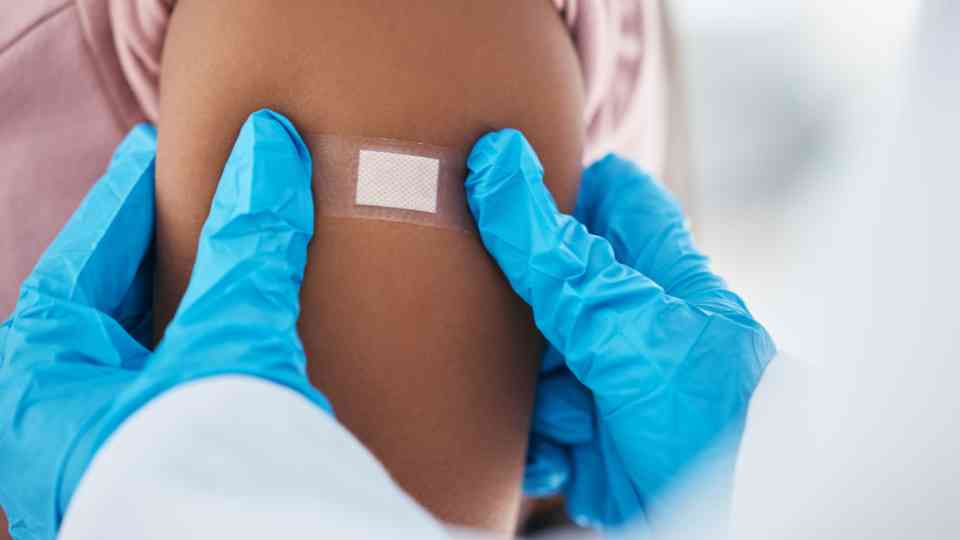
Vaccination is the most effective protection against tetanus, and most people in the UK will have received the full primary course of five doses as part of the routine childhood immunisation programme. For most travellers, a complete primary course provides long-lasting protection, and a booster is recommended if more than ten years have passed since the last dose, or if a traveller has suffered a dirty or deep wound and their vaccination history is uncertain. In the UK, the tetanus vaccine is not given alone but is combined with protection against diphtheria and polio in a single injection, the Td/IPV booster, making it a convenient way to ensure protection against three important infections in one visit. For travellers who have never received a full primary course, a course of three injections will be needed, ideally completed well in advance of travel. It is also worth noting that even vaccinated travellers should ensure any wounds sustained abroad are cleaned thoroughly and assessed by a medical professional, as good wound care remains an important part of tetanus prevention. At Market Harborough Travel Clinic, we will review your vaccination records and advise whether a booster is needed ahead of your trip.
Book Now
If you are planning to travel abroad, book an appointment with Market Harborough Travel Clinic today.
Our experienced team can provide personalised travel health advice and help you understand which vaccinations, medications, or preventative measures may be appropriate based on your destination, medical history, and individual circumstances.
We are here to help you travel with confidence through expert guidance and convenient appointments in Market Harborough.