

Shingles Vaccine
Find out what vaccinations you may need for you destination
Shingles
Shingles is a viral infection caused by the varicella-zoster virus, the same virus responsible for chickenpox. After a person recovers from chickenpox, the virus remains inactive within the nervous system and can reactivate years later as shingles.
Although shingles can affect people of different ages, it is more common in older adults and people with weakened immune systems. The risk of developing shingles increases with age as the immune system naturally becomes less effective over time.
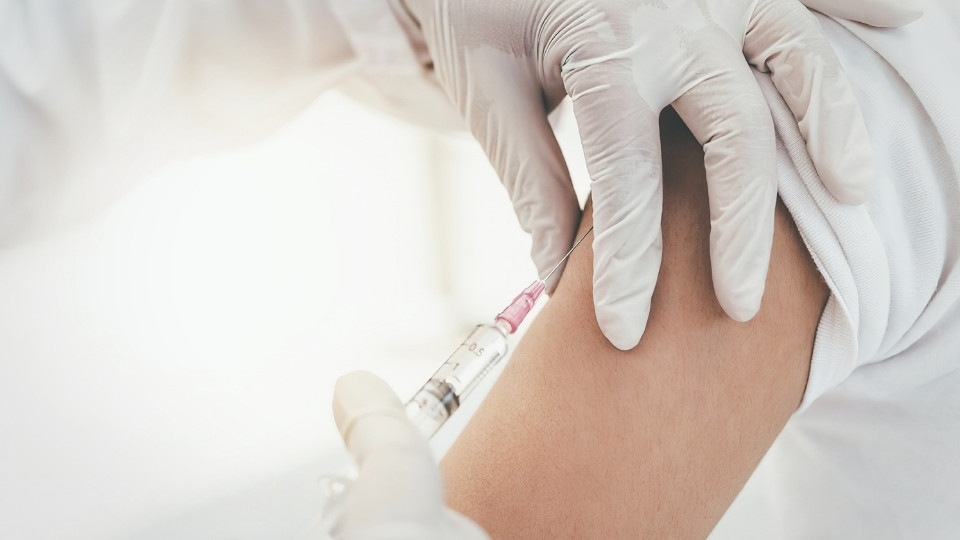
The shingles vaccine helps reduce the risk of developing shingles and can also lower the chance of severe symptoms.
Symptoms
Shingles symptoms often begin with pain, tingling, itching or burning sensations in a specific area of the body before a rash appears. This discomfort may develop several days before visible symptoms appear.
The shingles rash usually develops as clusters of fluid-filled blisters on one side of the body or face. The rash can be painful and may take several weeks to heal. Some people also experience fever, headache, tiredness or sensitivity to touch.
For some people, pain caused by shingles can continue long after the rash has disappeared. This complication, known as post-herpetic neuralgia, can significantly affect sleep, daily activities and quality of life.
Shingles affecting the face or eyes may lead to more serious complications, including vision problems or infections that require urgent medical treatment.
Because the risk of complications increases with age, vaccination can play an important role in reducing the likelihood of severe illness and ongoing nerve pain.

Vaccination
The shingles vaccine helps strengthen the body’s immune response against the varicella-zoster virus, reducing the risk of shingles developing later in life.
Vaccination is commonly recommended for older adults and people at increased risk of complications from shingles. Depending on the vaccine used, protection may involve one or two doses given over a recommended schedule.
The shingles vaccine can help reduce the risk of developing shingles as well as lower the severity of symptoms and complications if infection does occur. This includes helping reduce the risk of long-term nerve pain associated with post-herpetic neuralgia.
During your appointment at Market Harborough Travel Clinic, our team can discuss whether the shingles vaccine is suitable for you based on your age, medical history and individual risk factors.
Like many vaccines, the shingles vaccine can cause mild side effects. These may include redness, swelling or soreness at the injection site, tiredness, headache or muscle aches. These effects are usually temporary and settle within a few days.
Book Now
If you are planning to travel abroad, book an appointment with Market Harborough Travel Clinic today.
Our experienced team can provide personalised travel health advice and help you understand which vaccinations, medications, or preventative measures may be appropriate based on your destination, medical history, and individual circumstances.
We are here to help you travel with confidence through expert guidance and convenient appointments in Market Harborough.