
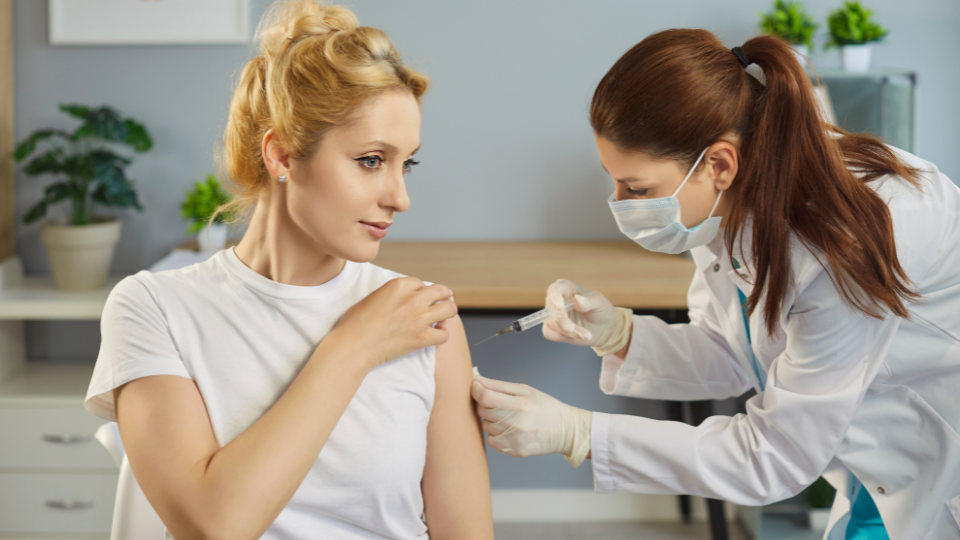
HPV Vaccine
Find out what vaccinations you may need for you destination
HPV
Human papillomavirus (HPV) is a common viral infection that spreads through close skin-to-skin contact, including sexual contact. Many people will come into contact with HPV at some point in their lives, often without realising it, as the virus may not always cause visible symptoms.
There are many different types of HPV. Some strains can cause genital warts, while others are considered high-risk because they are linked to several forms of cancer.
In many cases, the immune system clears HPV naturally without causing long-term problems. However, persistent infection with certain high-risk strains can increase the risk of abnormal cell changes and cancer developing over time.
The HPV vaccine helps protect against the most common high-risk and wart-causing strains of the virus. Vaccination can significantly reduce the risk of HPV-related cancers and genital warts.
Although the HPV vaccine is routinely offered to young people in the UK, some adults may not have been vaccinated or may still benefit from vaccination depending on their circumstances and risk factors.
Symptoms
Many people with HPV do not experience any symptoms and may not realise they have the virus. Because of this, HPV can spread unknowingly between people through close contact.
Some strains of HPV can cause genital warts, which may appear as small growths or lumps around the genital or anal area. These can vary in size and appearance and may develop weeks, months or even years after infection.
High-risk strains of HPV often do not cause noticeable symptoms in the early stages. However, persistent infection over time can lead to abnormal cell changes that may increase the risk of certain cancers developing later in life.
Because HPV infections are often symptom-free, vaccination plays an important role in reducing the risk of infection and helping protect against HPV-related health complications.
Vaccination
The HPV vaccine helps protect against several strains of human papillomavirus linked to cancer and genital warts. Vaccination works best before exposure to the virus, but some adults may still benefit depending on their vaccination history and individual risk factors.
The vaccine is usually given as a course of injections over a recommended schedule based on age and clinical guidance. During your appointment, our team can explain the recommended dosing schedule and discuss whether the HPV vaccine may be appropriate for you.
Like many vaccines, the HPV vaccine can cause mild side effects. These may include redness, swelling or soreness at the injection site, headache, tiredness or mild fever. These effects are usually temporary and settle within a few days.
During your appointment at Market Harborough Travel Clinic, our team can review your medical history, answer your questions and provide guidance about HPV vaccination.
Book Now
If you are planning to travel abroad, book an appointment with Market Harborough Travel Clinic today.
Our experienced team can provide personalised travel health advice and help you understand which vaccinations, medications, or preventative measures may be appropriate based on your destination, medical history, and individual circumstances.
We are here to help you travel with confidence through expert guidance and convenient appointments in Market Harborough.