

Altitude Sickness Prevention
Find out what vaccinations you may need for you destination
Altitude Sickness Prevention
Altitude sickness, also known as acute mountain sickness (AMS), can occur when travelling to high-altitude destinations where oxygen levels are lower than at sea level. This commonly affects travellers visiting mountainous regions or destinations located at high elevations.
Altitude sickness can affect anyone, regardless of age or fitness level. The risk often increases when ascending too quickly without allowing the body enough time to adjust to changes in altitude.
Travellers may be at increased risk when visiting destinations such as the Himalayas, the Andes, high-altitude areas of Africa, or mountainous regions used for trekking, skiing or climbing activities.
Altitude sickness prevention may involve gradual ascent, staying hydrated, avoiding overexertion during early stages of travel and, in some cases, preventative medication where appropriate.
At Market Harborough Travel Clinic, our team can discuss your travel itinerary, planned altitude exposure and medical history to help provide personalised altitude sickness prevention advice for your trip.
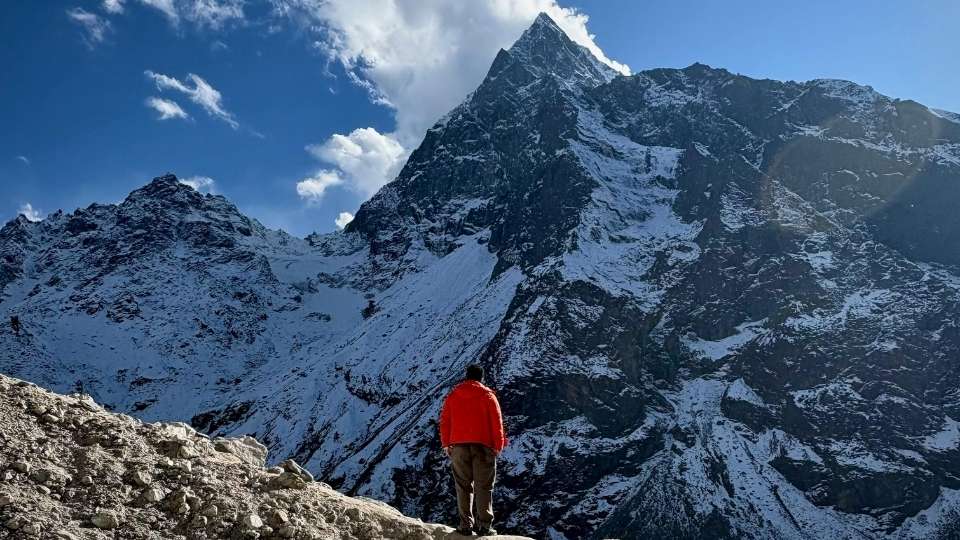
Who May Need Altitude Sickness Prevention Advice?
Travellers visiting high-altitude destinations may benefit from advice on reducing the risk of altitude sickness.
- Trekking or hiking in mountainous regions
- Climbing or expedition travel
- Ski trips to high-altitude resorts
- Travelling to destinations above 2,500 metres
- Rapid ascent itineraries with limited acclimatisation time
- Adventure or remote travel at high elevations
Our team can assess your travel plans and discuss suitable prevention strategies based on your destination and health history.
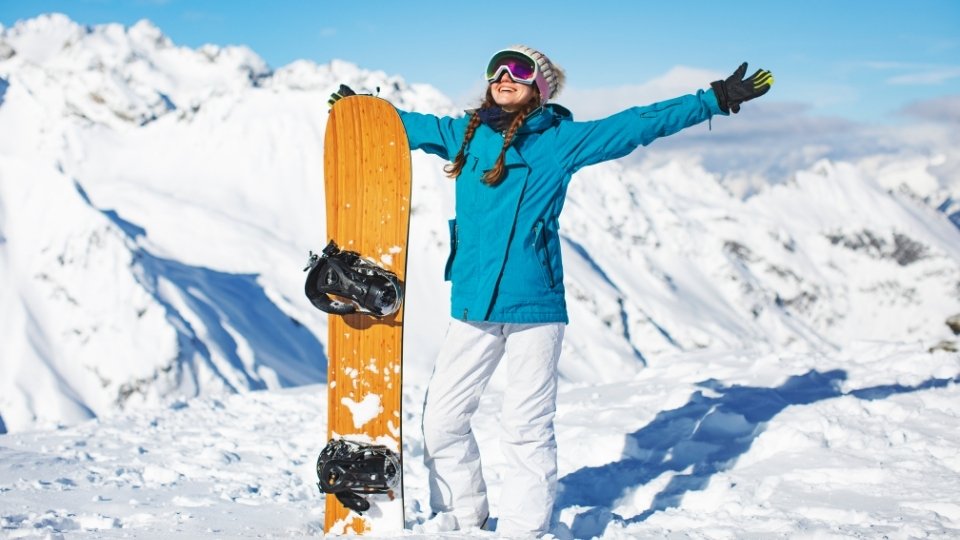
FAQs About Altitude Sickness Prevention
Book Now
Are you travelling to a high-altitude destination? Book a consultation with Market Harborough Travel Clinic today.
Our team can help you prepare for high-altitude travel with personalised advice tailored to your itinerary and planned activities. We can answer your questions, give you tips and help you prepare for your trip.