

Yellow Fever Vaccine
Find out what vaccinations you may need for you destination
Yellow Fever
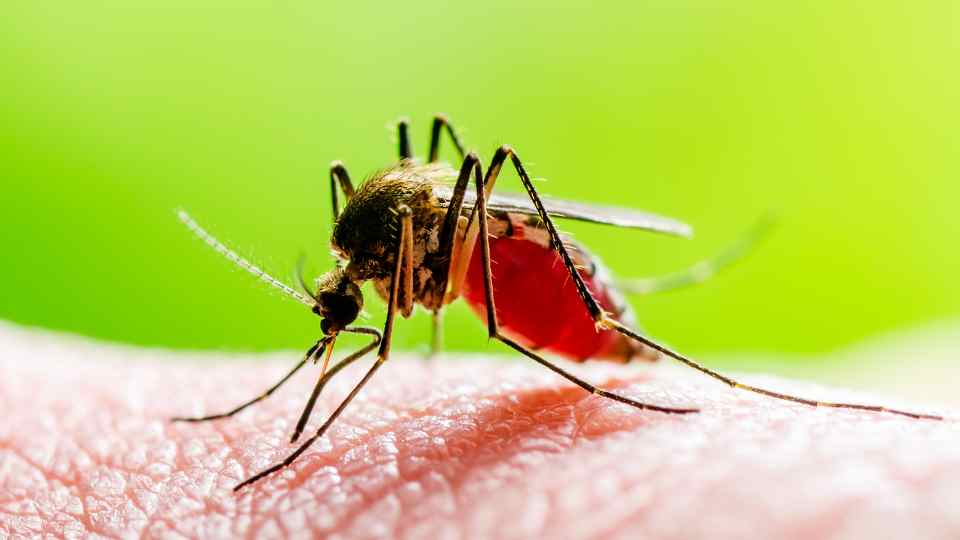
Yellow fever is an acute viral haemorrhagic disease caused by the yellow fever virus, a member of the Flavivirus family. It is transmitted to humans through the bite of infected Aedes and Haemagogus mosquitoes, which are predominantly active during daylight hours, making them harder to avoid than the night-biting mosquitoes associated with malaria. The disease is endemic in tropical and subtropical regions of sub-Saharan Africa and South America, where it circulates among mosquito populations and non-human primates in forest environments, occasionally spilling over into human populations. There are three transmission cycles: sylvatic or jungle yellow fever, which affects people working or spending time in forested areas; intermediate yellow fever, which occurs in humid savannah regions of Africa; and urban yellow fever, which spreads rapidly in densely populated areas through the domestic Aedes aegypti mosquito. Globally, the World Health Organisation estimates there are around 200,000 cases of yellow fever each year, resulting in approximately 30,000 deaths, the vast majority of which occur in Africa. Unvaccinated travellers visiting endemic regions are at significant risk, and the disease is entirely preventable through vaccination.

Symptoms
Symptoms of yellow fever typically appear three to six days after being bitten by an infected mosquito. The initial phase presents with a sudden onset of fever, chills, severe headache, back pain, muscle aches, nausea, vomiting, and fatigue. Most people recover fully within three to four days after this first phase. However, around 15 percent of patients enter a second, toxic phase within twenty-four hours of appearing to improve. This more severe stage is characterised by a return of high fever, jaundice causing the skin and eyes to turn yellow, which gives the disease its name, abdominal pain, and vomiting, sometimes of blood. Internal bleeding, kidney failure, and liver damage can occur, and in the most severe cases the disease is fatal. Between 20 and 50 percent of those who enter the toxic phase will die. There is no specific antiviral treatment for yellow fever, and care is supportive, focusing on managing symptoms and preventing complications. The unpredictable progression of the disease and the severity of outcomes in those who develop the toxic phase make vaccination the only reliable form of protection for travellers visiting endemic regions.
Vaccination
The yellow fever vaccine is a live attenuated vaccine that provides highly effective, long-lasting protection. A single dose is considered to confer lifelong immunity for the vast majority of recipients, and since 2016 the World Health Organisation has recommended that a booster dose is no longer required for most travellers. Following vaccination, an International Certificate of Vaccination or Prophylaxis (ICVP), commonly known as the yellow card, is issued as official proof of vaccination. This certificate is valid for life and is a mandatory entry requirement for a number of countries in Africa and South America, as well as for travellers arriving from yellow fever endemic countries. The yellow fever vaccine can only be administered at officially designated yellow fever vaccination centres, and Market Harborough Travel Clinic is an approved centre, meaning we can vaccinate and issue the internationally recognised certificate on site. The vaccine is not suitable for everyone, and there are certain contraindications, including infants under nine months, those with egg allergies, and individuals with compromised immune systems. A thorough pre-vaccination assessment will be carried out at your appointment to ensure the vaccine is safe and appropriate for you. We recommend booking your yellow fever appointment as early as possible, as the certificate becomes valid ten days after vaccination and must be in date before you travel.
Book Now
If you are planning to travel abroad, book an appointment with Market Harborough Travel Clinic today.
Our experienced team can provide personalised travel health advice and help you understand which vaccinations, medications, or preventative measures may be appropriate based on your destination, medical history, and individual circumstances.
We are here to help you travel with confidence through expert guidance and convenient appointments in Market Harborough.